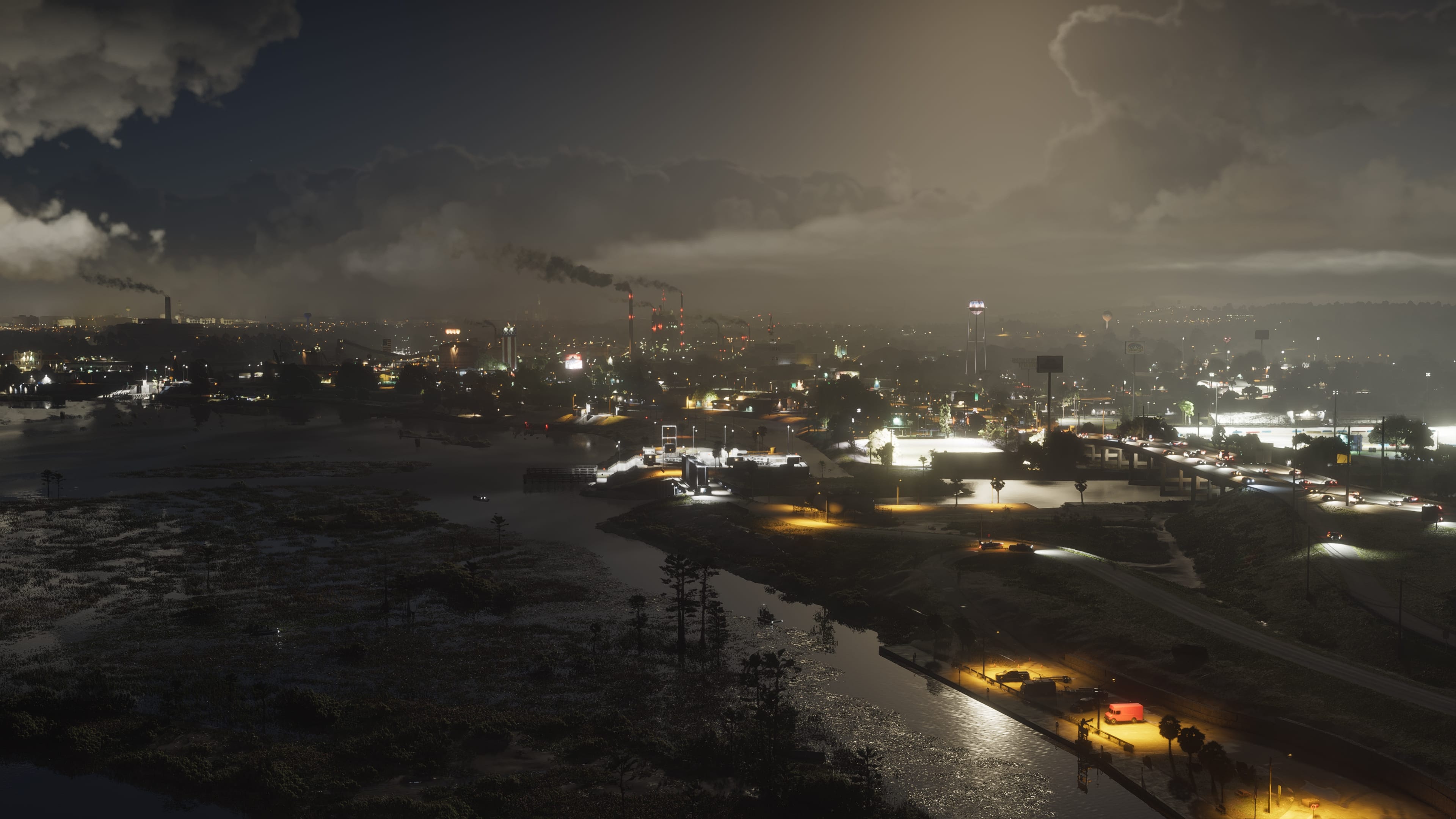
On Tuesday, December 1, Leonida State Parks opens its prescribed fire season. Until April 30, ranger fire crews will set small, planned fires in four state parks, about 1,400 acres in all, a few blocks at a time and only on days when the wind, the humidity and the moisture of the ground are all within the limits of the plan.
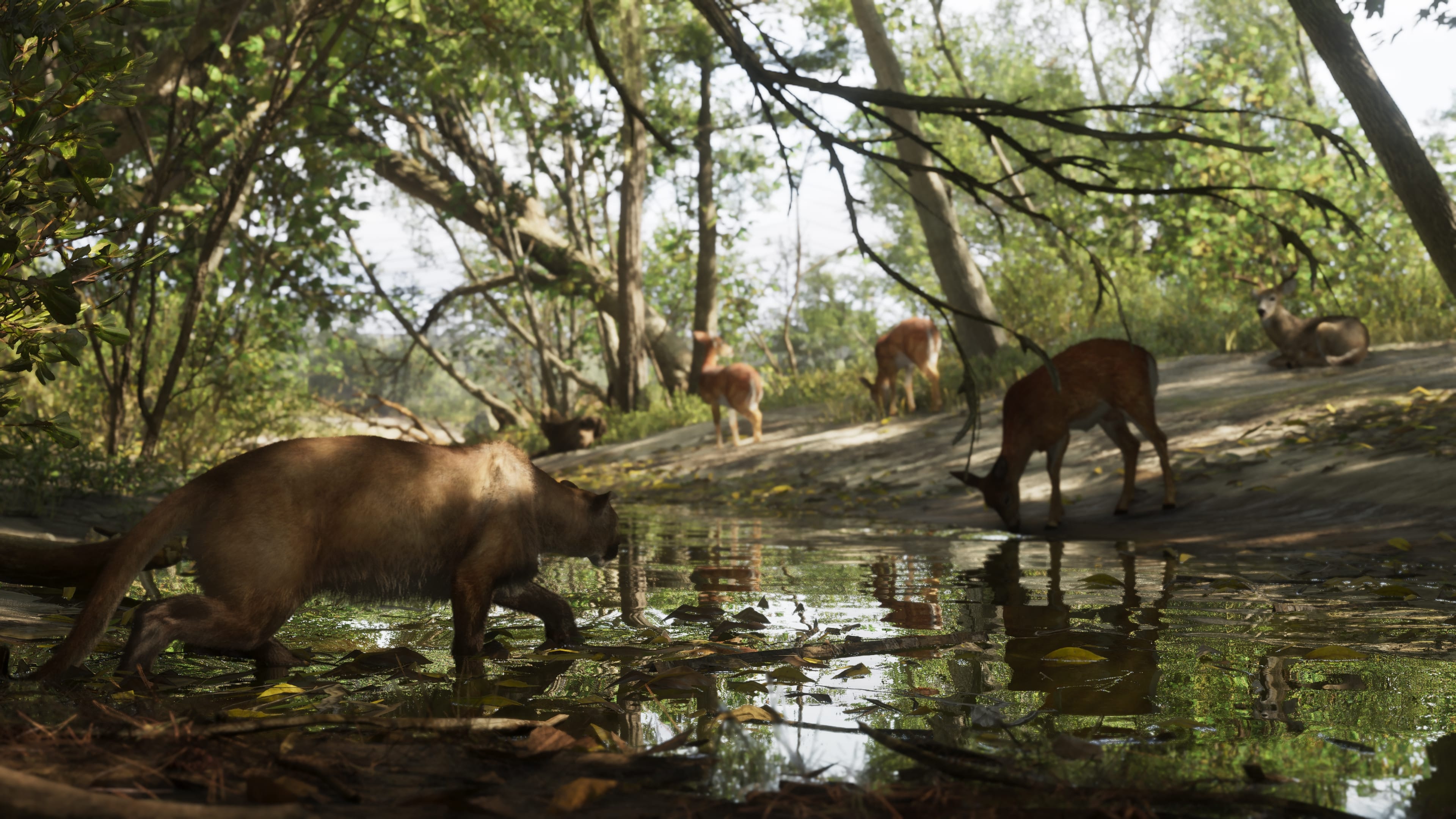
Leonida’s pine forests, sawgrass prairies and hammocks have always burned. Lightning used to light them every few years, and the low fires cleared dead brush, returned nutrients to the soil and kept the undergrowth from piling up into fuel for a wildfire nobody could stop. Longleaf pine needs those fires to seed, and deer, quail and gopher tortoises come back to the fresh green growth within weeks.
Where and when
- Longleaf Ridge State Park, near Mount Kalaga: about 600 acres of pine forest, in blocks of 50 to 150 acres, from December to February
- Sawgrass Gate State Park, in the Grassrivers: about 450 acres of sawgrass prairie, from January to March, while the water is low and the roots stay wet
- Lake Leonida State Park: about 250 acres of old groves and pine flatwoods along the east trail, in February and March
- Bayfront Hammock State Park, in Vice City: two blocks of about 50 acres each, far from homes, on weekdays only, in December and March
On a burn day
Every burn is posted at the park gate and at the ranger station by 5 p.m. the day before, and it only goes ahead if the weather check at dawn confirms it. Trails and campsites next to the block close for the day, usually from 8 a.m. to sunset, and reopen once the crew has walked the edge and put out every hot spot. The rest of the park stays open. Campers whose site falls inside a closed area are moved to another site, and the night is not charged if none is free.
- Follow the closed trail signs and the directions of the crew: a burned block can hold heat and falling branches for days
- Smoke drifts: if you have asthma or a heart condition, keep your windows closed and choose another park for the day
- On the roads near Longleaf Ridge and Sawgrass Gate, slow down and turn on your headlights in smoke; crews post signs at both ends
- Campfires in the fire rings stay allowed, except during a burn ban, which is posted at the gate
A planned burn is not an emergency. A column of smoke over a park, with a crew truck and signs at the entrance, is the work going as planned. Flames outside a marked area, or a fire with no crew in sight, are another matter: call 911.
Fire is how these forests stay healthy. We would rather choose the day, the wind and the size ourselves than let a dry spring choose for us. A trail closed for one afternoon is a small price for a forest that is still standing in May.
Volunteers have their part once the smoke clears: trail crews turn the fire lines back into trails in the spring, and in May they help naturalists count gopher tortoise burrows in the burned blocks.