Leonida’s fog season begins with the first cool, still nights of December and lasts until March. After a clear night, the air above the wet ground of the Grassrivers, the shores of Lake Leonida and the canals cools enough to turn into fog. From about 4 a.m. until an hour or two after sunrise, a highway can go from clear to a white wall in a few hundred yards.
Last winter, troopers worked 168 crashes in fog, most of them rear-end collisions between 5 and 8 a.m. The worst, on a February morning on a State highway along Lake Leonida, involved eleven vehicles. Nobody died, but the road stayed closed until noon.
Fog and smoke together
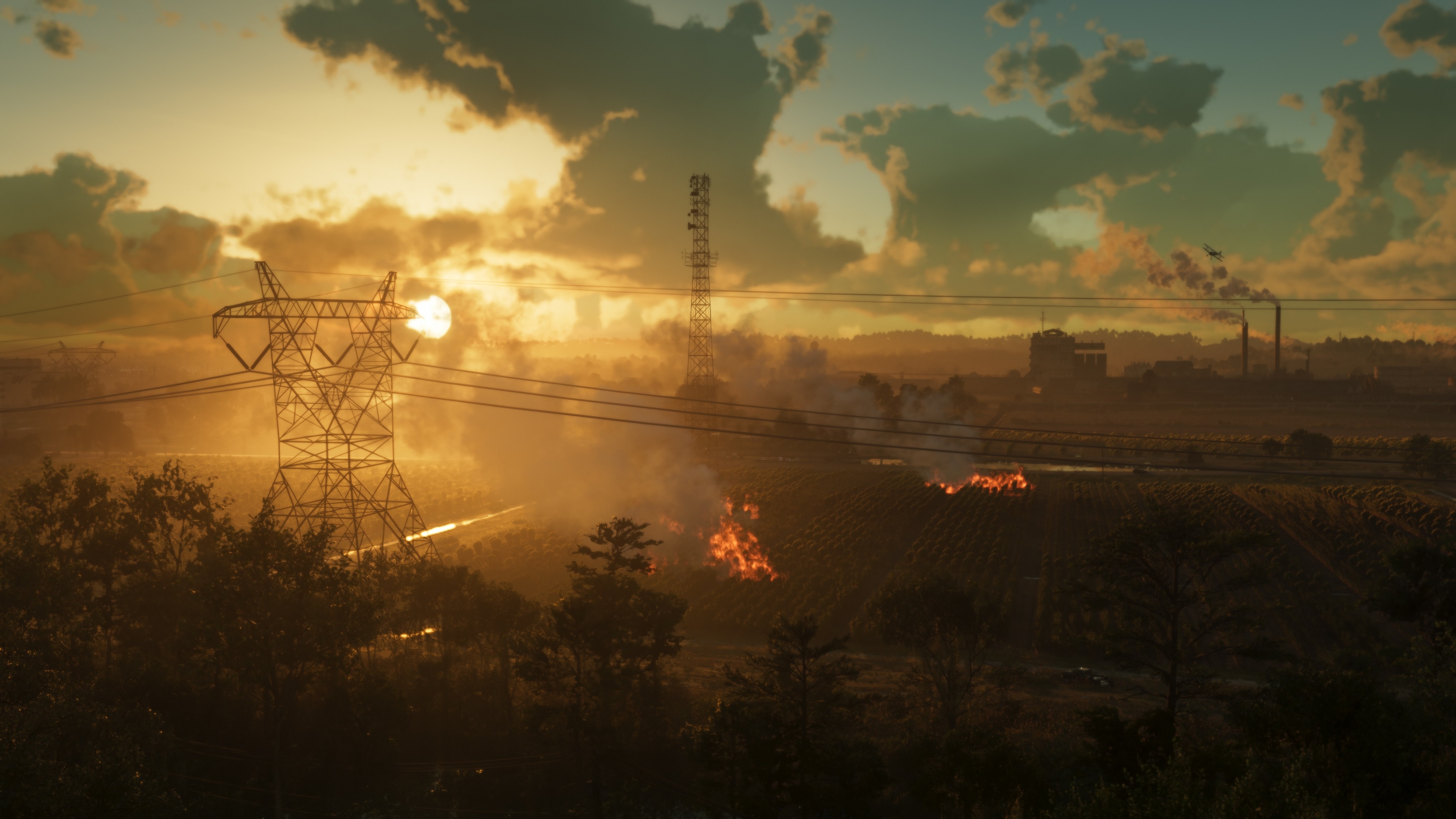
In Ambrosia, fog season falls in the middle of the cane harvest. Smoke from a field burned the evening before can settle into the fog overnight, and the mix is thicker than either one alone: troopers have measured less than ten feet of visibility on farm roads around Cane Ridge. Troop C closes a road as soon as visibility drops that low, and reopens it once the sun has lifted the fog.
What troopers will do
- On fog mornings, Troop A and Troop C check the low stretches before dawn, and every closure is on the road conditions line, day and night: 1-800-555-0171
- On the worst mornings, a patrol car leads traffic at a safe speed with its lights on across the Grassrivers and along Lake Leonida: stay behind it and do not pass
- Message signs at the entrance to the low stretches warn of fog from 4 a.m.
- Stopped vehicles in fog are the first call of the Highway Assistance Patrol when its crews start at 6 a.m.
How to drive in fog
- Low beams and fog lights on: high beams bounce off the fog and blind you
- Hazard lights off while you are moving: drivers behind you take you for a stopped car
- Slow down before you enter the fog, not in it, and leave far more room than usual
- Follow the white line on the right edge, not the taillights ahead of you
- If you cannot see, leave the road completely, as far from the lane as you can, then turn on your hazard lights and wait. Never stop in a lane
Fog does not cause crashes. Speed in fog does. If you can see a hundred feet ahead, you need to be able to stop in a hundred feet, and on most fog mornings that means half the speed limit or less.
Fog lifts with the sun. On a fog morning, leaving thirty minutes later costs less than a closed highway, and far less than a crash. If you see a crash or a vehicle stopped in a lane in fog, call 911 with the road, the direction and the nearest exit or mile marker.